

Breathwork Before a Cold Plunge: Should You Do It?

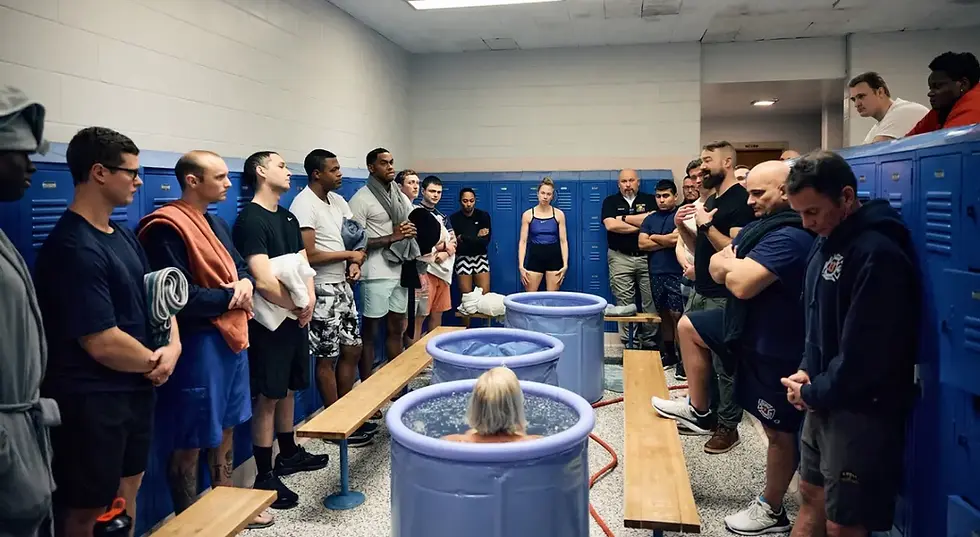
Breathwork before a cold plunge can help you arrive calmer, but the type matters. I recommend a few minutes of easy, steady breathing before you enter. I do not recommend rapid breathing, deliberate hyperventilation, or breath retention immediately before getting into cold water.
The cold will change your breathing whether you planned for it or not.
That first contact often brings a sharp inhale, a racing heart, and several quick breaths. You may feel composed while standing beside the tub, then lose that composure as soon as the water reaches your chest.
This is not a lack of willpower. It is the cold shock response.
Breathing practice can help you meet that response without adding more panic. It does not make you immune to cold, though, and it should never be used to convince yourself that warning signs no longer matter.
What Is Breathwork Before a Cold Plunge?
People use this phrase to describe two very different things.
The first is a short period of calm breathing used to prepare for the plunge. You slow down, release some tension, and enter the water without already holding your breath.
The second is an intense practice involving repeated deep breaths, hyperventilation, and breath retention. The Wim Hof breathing method is the most familiar example.
These practices do not carry the same risks.
I am comfortable using gentle breath awareness before cold exposure. I am not comfortable carrying lightheadedness, tingling, or a long retention directly toward a tub of water.
My goal before a plunge is not to create an altered state. It is to arrive alert, steady, and able to respond to what the cold is doing.
Why Your Breathing Matters During Cold Exposure
Sudden cold-water immersion can produce an involuntary gasp followed by rapid breathing. Heart rate and blood pressure also rise as the body responds to the sharp drop in skin temperature. Researchers refer to this group of reactions as the cold shock response.
The first minute matters because breathing can briefly feel difficult to control. Hyperventilation during cold shock lowers carbon dioxide and may reduce blood flow to the brain, which adds to the risk of dizziness, poor judgment, aspiration, and loss of control in the water.
This is why I focus so much on the breath during cold training.
I am not trying to prove that I can ignore the body’s response. I am training myself to notice that response early and work with it.
The cold says, “Breathe faster.” I practice staying a little slower.
The cold says, “Get out immediately.” I pause long enough to tell the difference between the first shock and a genuine reason to exit.
That judgment develops gradually. It should not be rushed.
Should You Do Breathwork Before a Cold Plunge?
Yes, when “breathwork” means a few minutes of calm preparation.
Before I enter, I want my breathing to be smooth and my attention to be present. I may spend two or three minutes breathing quietly through my nose, allowing the exhale to slow without turning it into a performance.
I do not take thirty forceful breaths and then climb into the water while dizzy.
The official Wim Hof Method combines breathing, cold exposure, and mindset, which is one reason it has introduced so many people to cold training. Its own safety guidance is also very clear: the breathing exercise should not be practiced during cold-water exposure because it can occasionally cause fainting. The organization tells participants to breathe normally in the water.
So, can the two practices belong in the same overall routine? Yes.
Should you hold your breath in the plunge or enter while still feeling the effects of hyperventilation? No.
If you use Wim Hof breathing, do it seated or lying down in a safe place, away from the water. Do not approach the plunge until your normal breathing, balance, and awareness have fully returned.
Which Breathing Techniques Are Safe Before Cold Exposure?
I keep the preparation much simpler than most people expect.
Sit or stand somewhere stable. Let the first few breaths happen without changing them. Then inhale gently through your nose and allow the exhale to take slightly longer.
You might use a rhythm such as four seconds in and six seconds out, but only if it remains comfortable. Two minutes is enough.
The inhale should not be enormous. You are not trying to store extra oxygen for the plunge. You are reducing the sense of hurry before the cold creates its own.
Another option is quiet, even breathing. Five seconds in, five seconds out. That can give your attention a predictable rhythm without making you deeply relaxed or lightheaded.
Once you enter, I teach slow, steady breathing and, when comfortable, nasal breathing. I also leave room for reality. If nasal-only breathing becomes strained during the initial shock, do not clamp your mouth shut to follow a rule. Regain a controlled rhythm first.
My own approach to cold training is built around gradual exposure, calm breathing, and knowing when to leave. I usually have beginners start with cold showers, then progress toward moderate cold-water immersion rather than jumping into the coldest tub available.
What About Breath Retention?
I would not use intentional breath retention in a cold plunge.
Cold-water immersion can trigger the cold shock response, while submerging the face and holding the breath can trigger the diving response. These responses pull heart rate in different directions and may increase the chance of an abnormal heart rhythm. Researchers describe this interaction as “autonomic conflict.”
That does not mean every person who briefly holds their breath will experience a cardiac event. It means there is no good reason to deliberately combine these stressors during a recreational plunge.
Keep your head above water. Keep breathing. Save retention practice for dry land.
I also separate this kind of cold preparation from the stronger methods taught in my altered-state breathwork course. High-ventilation and altered-state practices have their own purpose and setting. I do not use them as a way to override safety around water.
Breathwork Mistakes to Avoid Before a Cold Plunge
The biggest mistake is trying to make yourself fearless.
People breathe aggressively, shout themselves into the tub, and treat hesitation as weakness. That may get them into the water, but it does not necessarily teach control.
Another mistake is assuming that tingling or lightheadedness means you are ready. Those sensations may come from overbreathing. They are reasons to move away from the water until you feel normal again.
I would also avoid:
Entering alone when you are inexperienced
Submerging your face during the first cold shock
Competing over temperature or time
Staying in after uncontrolled shivering, numbness, confusion, or panic begins
Treating nasal breathing as more important than maintaining control
Using breathwork to ignore a medical concern
More cold does not automatically mean more benefit. In my training, consistency and adaptation matter more than proving how much discomfort you can tolerate.
What Does the Research Say?
Research is clear about the cold shock response. Sudden immersion can cause a gasp, rapid breathing, increased blood pressure, and increased cardiac strain.
These effects are particularly important for people who are new to cold exposure.
There is also evidence that repeated cold-water exposure can reduce the size of the cold shock response. A recent systematic review found that habituation often develops after several immersions, though the response varies by protocol and person.
That supports gradual training. It does not support trying to bypass the learning process with one powerful breathing session.
The evidence specifically testing a short pre-plunge breathing routine is much thinner. Calm preparation makes practical sense, and breath control is central to how I teach cold exposure, but I would not tell you that a particular count has been proven to eliminate cold shock.
The cold still deserves respect.
How to Safely Prepare for a Cold Plunge
Before entering, make sure the exit is clear, your towel and dry clothing are nearby, and another person is present if you are inexperienced. Do not begin with freezing water simply because that looks more impressive online.
I recommend starting with cold showers. Finish an ordinary shower with 15 to 30 seconds of cold water, then build gradually. When you move to immersion, water around 50 to 59°F, or 10 to 15°C, is already cold enough to create a strong response. Keep the first sessions brief and exit before the experience becomes uncontrolled.
Just before entering:
Take two minutes to settle your breathing.
Make sure you are not dizzy or altered from another practice.
Enter deliberately rather than jumping in.
Keep your head above the water.
Focus on a steady exhale during the first several breaths.
Leave while you are still capable of making a clear decision.
People with heart disease, a stroke history, uncontrolled blood pressure, cold urticaria, certain forms of Raynaud’s syndrome, epilepsy, kidney failure, or other serious health concerns should seek medical guidance before using intense cold exposure. The Wim Hof Method lists similar cautions in its own safety guidance.
Common Questions About Breathing and Cold Plunges
Should you do breathwork before a cold plunge?
A short period of slow, comfortable breathing can help you enter with less tension. Avoid rapid breathing or long retention close to the water. You should be fully alert, steady, and breathing normally before entering.
What breathing technique is best before cold exposure?
I prefer quiet nasal breathing with an easy exhale. Try inhaling for four seconds and exhaling for six for about two minutes. Keep the breath modest. If the count creates air hunger, shorten it instead of forcing your way through.
Is it safe to do breath retention before a cold plunge?
I do not recommend it. Breath retention near water adds unnecessary risk, particularly when paired with hyperventilation, face immersion, or cold shock. Practice retention on dry land in a safe position, never in the plunge.
Should you breathe through your nose during a cold plunge?
Nasal breathing can help slow the pace and is what I usually teach. Still, it should not become a rigid test. During the first shock, focus on regaining a controlled rhythm. Do not force nasal-only breathing when it makes you strain or panic.
What is the safest way to prepare for an ice bath?
Begin with cold showers, use moderate water temperatures, keep early sessions short, and have someone nearby. Prepare with calm breathing, enter slowly, keep your head above water, and get out before shivering, numbness, confusion, or loss of control becomes significant.
The Breath Is Not Armor Against the Cold
Breathing can change the way you meet cold. It cannot make you invulnerable.
That is an important difference.
I use the breath to stay present enough to notice what the cold is doing. I use it to remain with discomfort without turning every signal into an emergency. I also use it to recognize when the session is finished.
Cold training works best when it teaches judgment, not bravado.
For a complete progression from your first cold shower through safer immersion and more advanced cold practice, my Practical Guide to Cold Training is the most relevant place to continue. I wrote it to explain the physiology, preparation, recovery, and safety decisions that a short social-media clip leaves out.
To understand why different breathing patterns can calm, activate, or destabilize you before the cold, begin with The Language of Breath. Coaches who want to teach breath and cold work responsibly can then explore my Language of Breath certification.


Comments