

How to Do Breathwork at Home Safely

Updated: Jul 28
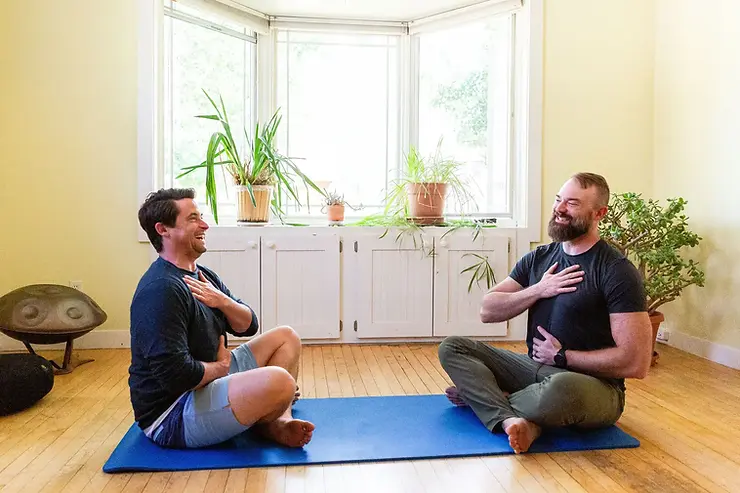
If you’re learning how to do breathwork at home, keep it simple: sit down, breathe quietly, and make your exhales a little longer than your inhales for 3–5 minutes. If you feel dizzy, buzzy, or panicky, you’re pushing too hard. Back off and slow it down.
I love home practice because it’s where breathwork becomes real. Not a class you attend once. A skill you can actually use.
But doing breathwork by yourself also means you’re the one steering the intensity. So this guide is about staying safe, building a solid baseline, and knowing when it’s time to stop experimenting alone.
What Is Breathwork and Why Practice at Home?
Breathwork is intentional breathing. You change the pattern of your breath on purpose to shift your state. Some practices are calming and subtle. Others are activating and intense.
Home is a great place to practice because repetition is the whole game. A short daily reset teaches your system, “We know how to come down.” And when your body knows that, anxiety has less room to run the show.
I also like home practice because it’s honest. If a technique doesn’t fit you, you’ll feel it quickly. That feedback is useful.
How to Do Breathwork at Home Step by Step
Here’s the way I start most people. It’s not fancy. It’s steady.
Pick your posture
Sit with feet on the floor, or lie down if that feels better. If you tend to get lightheaded, start seated.
Set a short timer
Three minutes. That’s enough to learn something.
Breathe through your nose if you can
Not as a moral rule. It just tends to keep things calmer for most people.
Make the exhale longer
Try a simple rhythm: inhale for 4, exhale for 6. Keep it comfortable. No strain.
Watch your “too much” signals
If you start gulping air, lifting your shoulders, tingling hard, or getting dizzy, slow down and breathe normally for a minute. Overbreathing can tip you into hyperventilation symptoms, which feel awful and often get misread as “release.”
End cleanly
One normal breath. One slow exhale. Sit still for 10 seconds.
That’s a complete session. Do it most days for a week before you change anything.
Safe Breathwork Techniques for Beginners
There are lots of “famous breathing techniques” floating around online. The mistake is trying all of them in one night.
Pick one. Learn it. Then add more later.
1) Extended exhale breathing
This is the safest, most dependable beginner option.
Inhale comfortably
Exhale a little longer
Repeat for 3–5 minutes
If your only goal is “I want to feel steadier,” start here.
2) Diaphragmatic breathing
Cleveland Clinic notes that diaphragmatic breathing can support relaxation and may help lower heart rate and blood pressure for some people.
The simplest cue: let the belly move first, keep the shoulders quiet, and don’t force big breaths.
3) Box breathing (use gently)
Box breathing can help in anxious moments, and Priory Group includes it as one of their calming techniques.
But I’m cautious with long holds for beginners. AARP specifically warns that extended breath holds may not be right for people with lung conditions or breathing difficulties. If they feel bad, shorten them or skip them.
4) Mindful breathing
If you’ve ever wondered “which practice combines breathing and mindfulness,” it’s basically this. You breathe normally and place attention on the breath sensations without trying to change anything. It’s deceptively powerful because it trains you to stay present instead of spiraling.
Breathwork for Anxiety and Stress Relief
Anxiety often tightens breathing. Then the tighter breathing feeds the anxiety. Priory Group describes this cycle and notes that breathing exercises can interrupt it by slowing the breath and signaling safety.
If you’re using breathwork for anxiety. I want you to use a boring rule:
You should feel better after you finish.
Not “wrecked.” Not “shaken up.” Better.
For most people, that means slower breathing, longer exhales, and less intensity. Save the activating stuff for later, if ever.
A solid “in the moment” reset is:
Inhale through the nose
Longer exhale through the nose (or pursed lips if that helps)
Repeat for 90 seconds
That’s it. The simplest tools are usually the ones you actually use.

Can Breathwork Help Lower Blood Pressure?
Breathing is not a replacement for medical care, but it can be supportive.
AARP lists several breathing exercises that may help manage blood pressure, including 4-7-8 breathing, box breathing, and diaphragmatic breathing, with the same caution about breath holds for some people.
There’s also research behind slow, paced breathing. A paper in Hypertension reported that paced breathing, especially slow breathing around 6 cycles per minute, reduced blood pressure in hypertensive patients.
A 2023 systematic review and meta-analysis found that breathing exercises had a modest but significant effect on lowering systolic and diastolic blood pressure.
7 truths about using breathing for blood pressure
Slow beats deep. For most people, smaller and slower works better than dramatic breathing.
Consistency matters more than hero sessions. Breathing practice works best as a habit.
Six breaths per minute is a useful target. It’s often cited in slow breathing research.
Breath holds are optional. If holds make you uncomfortable, skip them.
If you get dizzy, you’re overdoing it. Back off.
Breathing supports the basics; it doesn’t replace them. Sleep, movement, nutrition, and medication (if prescribed) still matter.
Talk to your clinician if you’re actively treating hypertension, especially if you’re changing routines alongside medication.
Common Mistakes to Avoid When Doing Breathwork Alone
Mistake 1: Going straight to the intense styles
A lot of “breathwork healing” content online makes intensity look like the point. For most people, especially beginners, intensity is where things get messy.
Mistake 2: Overbreathing and calling it progress
If your hands are clawing up, your mouth is numb, and you feel like you’re floating, you probably pushed into hyperventilation territory. The goal is regulation, not fireworks.
Mistake 3: Doing long sessions with no downshift
If you end “up” and jump straight back into your day, you can feel wired for hours. Land the plane.
Mistake 4: Practicing in unsafe situations
No breathwork while driving. No breathwork in water. Nothing where dizziness would put you at risk.
When Not to Do Breathwork at Home
I’ll keep this direct.
Don’t experiment alone with intense breathwork if you have:
uncontrolled cardiovascular issues
a history of seizures
pregnancy
panic that escalates quickly
a trauma history where intensity tends to dysregulate you
And even if you’re healthy: if you’re feeling emotionally fragile, sleep deprived, or already highly activated, don’t pick that moment to “go deep.”
Start gently. Or skip it that day.
When to Move to Guided Breathwork Sessions
Home practice is great for foundation skills. Guidance becomes valuable when:
you keep getting overwhelmed, and you don’t know why
you’re drawn to more intense styles
you want feedback on pacing, posture, and technique
you want breathwork to become part of your professional work (coaching, facilitation, groups)
A good guide helps you stay inside a safe window and teaches you how to regulate intensity instead of muscling through it.
If you’re exploring breathwork professionally, start here.
FAQ
How do I do breathwork at home safely?
Start with short sessions (3–5 minutes), keep the breathing quiet, and make the exhale longer than the inhale. Stop if you feel dizzy or panicky and return to normal breathing. Diaphragmatic breathing is a good foundational option, and slow breathing has evidence for calming effects.
Can I do breathwork by myself?
Yes, especially gentle techniques. Many people learn breathwork at home successfully by practicing simple, low-intensity patterns consistently. Where people get into trouble is jumping into high-intensity, fast breathing without understanding pacing, downshifting, or their own limits. If you tend to get overwhelmed, get guidance.
How long should I do breathwork at home?
For beginners, 3–10 minutes is plenty. If you want longer sessions, earn them over time by staying consistent and keeping the practice comfortable. The “more is better” mindset is usually what leads to overbreathing and feeling wired afterward.
Can breathwork help with anxiety?
It can. Breathing exercises can interrupt the anxiety-breath cycle by slowing breathing and signaling safety, which Priory Group describes clearly. The key is choosing calming styles and not pushing intensity when you’re already activated.
Is breathwork safe for everyone?
Not always. Most gentle techniques are low risk, but certain medical conditions (and some breath-hold styles) call for extra caution. AARP notes that extended breath holds may not be appropriate for people with lung conditions or breathing difficulties. If you have health concerns, talk with a clinician and start gently.


Comments